
Set Boundaries: Why You Shouldn’t Date Broke Men

You know in the movie, when the woman isn’t initially into the guy who is really into her? Then she gives him a chance? Even tho he’s not up to her standards? And then in the end when they are together, he turns out to be the worst? Like it’s actually worse than she would have ever imagined? Yes, yes you have that scene in mind? 

Scratch it, flip it, reverse it, whatever it is, just don’t make that same mistake. 

Everyone deserves love. We all need to have love in our lives, whether from family, friends, partners, the coworker who you have your morning coffee with. Love is good. It’s a wonderful gift. 

Nonetheless, when it comes to romantic love, ladies and gentlemen, not everyone deserves YOUR love. 

We can talk about the several things that negatively impact dating (and there are so many). The focus here, however, will be “dating broke men.” 

  1. Don’t do it.
  2. Don’t do it.
  3. Don’t do it.

And that’s all I have folks. 

Just kidding.

Not really but I’ll explain myself.

  1. People need to stand on business. If you have certain boundaries and standards, uphold them. They are there for a reason. On the other hand, when pursuing someone and you see that their standards and boundaries are in conflict with who you are or what you have to offer, it’s okay to let it go. Neither parties should try so hard to make it work. You know you can’t afford how she likes to live, let it go. Stop forcing people to change or lower their standards. Stop dating women who want the rappers girlfriend lifestyle, if you don’t have rapper money. If he doesn’t have enough money for you, let it go sis. Don’t stick around for potential and if you do, don’t nag him about it. Additionally, ask yourself if it’s financially safe for you to date right now. Dating can be costly and time consuming. If your focus can’t afford other commitments, make that decision and stick to it. Don’t pursue a person and be too busy to text them or spend time with them.
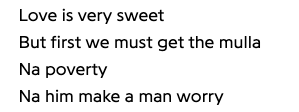
As the wise African artist Davido once stated

2. Be realistic. There’s no reason you should be expecting your 20 year old boyfriend who works at the student affairs to fly you out. Relax, breathe, stop comparing yourselves to what you see on social media. Date according to your age bracket please. Pursuing love in your early 20s is not the same as your late 20s or 30s. Give people time to grow. But, do notice their character. A selfish man at 22 is not going to suddenly become generous at 32 if they work to change. A selfish man when he’s broke, is not suddenly going to become generous when he’s rich. It might actually be the opposite. If while dating a financially unstable man, you notice he’s not naturally a giving person, even after you’ve communicated your reasonable desires, please know that that’s who he is. No amount of money is going to change that. There’s so many small ways to gift your partner, it’s not that hard. He just won’t do it. Don’t fall for the one time he does after you’ve been upset. It’s not his consistent nature, save yourself.
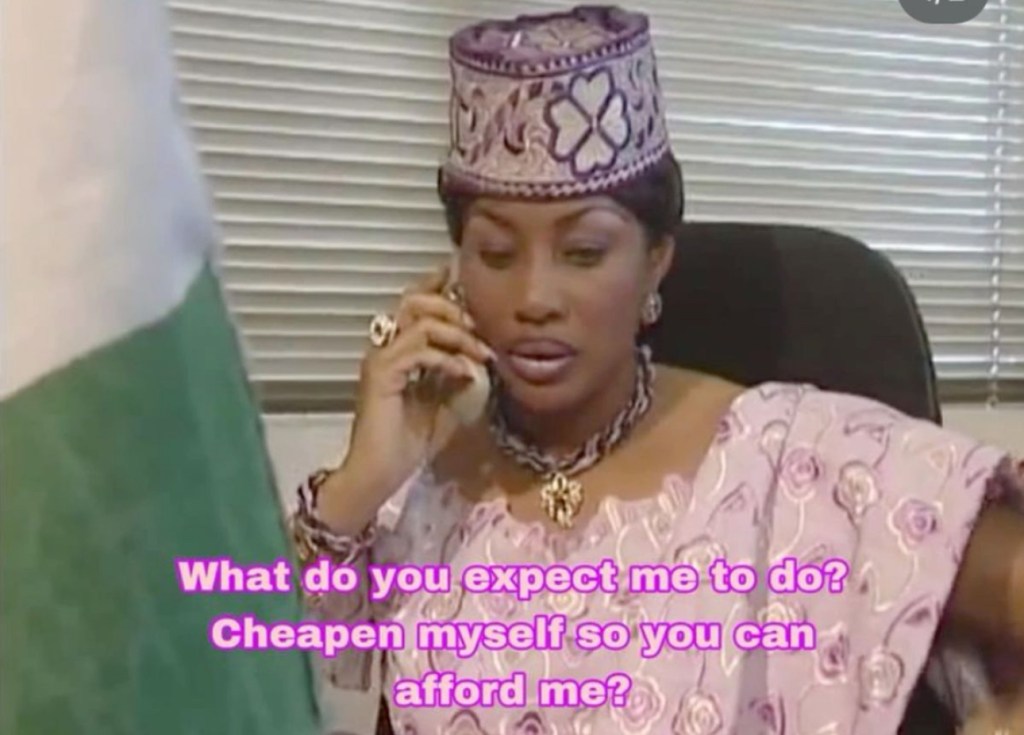
3. It is okay to date within your tax bracket. If that’s a decision you have made, don’t let people guilt you into thinking it’s not right. Dating below your tax bracket is challenging for women. There are so many factors that impact those dynamics. Unless you find a man who is more progressive in his thinking, I don’t see any benefits, just headaches. Don’t fight me because I know how yall like to tussle but women didn’t make these rules. The patriarchy did. For the sake of peace of mind, women don’t date below your tax bracket. It’s different if during a long term relationship circumstances change, but even then it’s important to be with someone whose ego will not be bruised by your ability to support the family more than he can. I dislike this societal norm a lot because it places so much pressure on both men and women. It’s not serving anyone, really. Like who cares, as long the kids are fed and you’re both happy! But this is how the world is so yes, don’t date broke men.

Back to my opening paragraph, you will regret dating a man that is broke financially and in spirit. They either end up resenting you or as mentioned before never changing their character even as their finances grow. All men have audacity, but the audacity broke men have will irritate you much more. Like my good sis JT said “I rather cry in a Rolls Royce”, it does soften the punch.

    I know it’s easier said than done when feelings are involved. But again, it shouldn’t this be hard. Yes, life can be challenging but your partner should not be the reason why life is hard. The source of your inherent unhappiness should not be your partner. Difficulties in life may happen to you both and that can be hard navigate, I’m not saying quit in those circumstances. Nonetheless, the difficult thing that’s happening should not be your partner’s character or behavior towards you. 

    Why are you suffering for a person you’ve known two months? And even if it’s been years and it’s not getting better? Leave. 

    You can’t change a person.  


    Podcast to Listen: How to Improve Your Love Life

    Investing in Your Looks: Beauty as Currency and Opportunity

    Since I was young, the idea of being presentable (physically) has been emphasized to me. Physical appearance dictates first impressions and sometimes even the only impression people get of you. Especially if you are Black, or a minority. Even though my family wasn’t the most always financially stable, that never showed through our looks. That has translated well into my adulthood. I could be going through the wprst period of my life and it would never show when I step out the house.

    I wouldn’t call it keeping up appearances, but rather making sure others couldn’t use our physical appearance as a justification for mistreatment. In hindsight, in certain scenarios it wouldn’t matter. Without diving too deep into respectability politics (a long conversation for another time), my family understood how physical appearance dictated first impressions which opened up more doors of opportunity.

    Which brings me to a sentiment I have always understood:”beauty is money and money is beauty”. I know this saying is usually reserved for time. Nonetheless, I believe beauty is equally fitting, if not even more. Since I have been a young girl I have understood the concept of beauty as money.

    When I was young girl, in a period of rejecting girlhood, I rebelled against the idea of pretty privilege. Maybe as an insecurity of not always thinking of myself as pretty in my awkward phase or desiring to be “not like the other girls”, I didn’t buy into the idea of beauty as currency. I always looked presentable (I mean I am my mother’s daughter), I did spend time analyzing my looks and wardrobe, wishing for and trying to replicate outfits and hairstyles seen on TV, but I also really wanted to reject the reality of women being judged by their looks first.

    These complicated feelings did not allow me to properly enjoy investing in my looks until my 20s to be frank. Maybe because I was tired of fighting the patriarchy, or realized that allowing it to have such an effect on me was more detrimental than actually enjoying what I wanted to do…

    Nonetheless growing up in the era of 2000s rom-coms, movies and tv shows that featured thin beautiful girls or promoted makeovers for “regular girls”, the eras of breast augmentations, Brazilian butt lifts and liposuctions, it is hard for a girl to not see how important beauty is.

    We live in a world where the way you look and dress alone can help pay for bills. Where cosmetic plastic surgery is a booming business. Investing in your looks, or in more preferably terms, “self-care” can get quite expensive as well. Between skin care, makeup, clothes, hair, nails… being a bad bitch ain’t cheap!

    Is it worth it? Absolutely.

    First, personally, it is FUN. I love spending my last brain cells thinking about which outfit to wear. I enjoy styling clothes and when I feel restless I do my hair as a way to calm myself. A new hairstyle, a new clothing item always lifts my mood. I feel better and more confident when I look good. I feel physically better when I eat healthy and exercise. And even though I hate to say this and have internal struggles about this, I am easier on myself and feel better when I am at a certain weight. Is it also for the male gaze? I can’t honestly say it never is. But, what I for sure do know is that I feel great!

    What I know is that my fashion sense makes me more relatable, it is easier to initiate a conversation amongst strangers, it gets me noticed in the room, I seem more fun. And the same goes for the other girlies. I take notice of a cute dress, a well done makeup, flawless hairstyle. Girls seem happier when they look good, life is easier, lighter, a bit more colorful.

    Secondly, we still live in a world of pretty privilege. Bringing back the male gaze, unfortunately we still live in a patriarchy which impacts the way women behave. Yes beauty is in the eye of the beholder, but it is still beauty, not kindness, intelligence, BEAUTY. That is the first thing people see.

    Therefore, is it wrong for women (or even men) to invest in their looks? Can we shame women for paying thousands to get body they desire? Can we judge the girlies who invest in their looks as shallow?

    Recently finished watching Ugly Betty which I thoroughly enjoyed. The premise of the show is how Betty was considered “ugly” because she didn’t meet the beauty standards of the fashion world. Throughout the show, Betty’s character shined through, her kind personality influenced other people, bringing out the best of themselves, she is able to climb the ranks at the fashion magazine “despite” her looks. So yes, other characteristics of a person do matter. Nonetheless we see that  Betty took time to explore her own fashion sense and in the last season particularly we see how simultaneously her confidence and fashion sense grow. As she moves up in rank, gets a bigger paycheck, she starts to look more fashionable, able to afford her own unique sense of style without compromising her character. Also, I believe that she begins to get better opportunities because she begins to invest in her looks. She feels more like she belongs. It is all connected.

    Investing in your looks, is investing in yourself. I like to see it as how reading enriches your vocabulary, knowledge of the world.

    Investing in your looks, is investing in yourself. There is a perception of yourself that is placed out there, a perception of great first impressions, a perception that you know how to take care of things that matter to you.

    If you invest in yourself, others are more willing to invest in you.

    I understand that this post may seem like encouraging people to conform to beauty standards. This is not completely untrue. However, the main point is that we should not look down on others who choose to, especially when it allows them to access easier and richer experiences.

    It’s easy to preach body positivity and self love when you’ve never struggled with how optics affect you. But when you are part of a marginalized community, the way you present yourself physically affects the way people perceive and treat you. A skinny girl in sweats is fashionable. A heavier set girl is sweats is sloppy and lazy.

    Love your nose, love your hair, love your body. However if you are concerned about something and have the means to safely change it (during your adulthood- please let puberty do its thing) or to invest up-keeping your looks and personal style, that’s your choice too.


    Videos to Watch:

    Change in Medicine

    I have been involved in several circles dedicated to making systemic changes in medicine. A goal that started with optimism and hope has slowly been tainted by misaligned intentions and frustration.

    Everyone has good intentions when establishing goals/priorities and starting initiatives, however, execution and implementation are very lacking. Many people have great desires and ideas, but few are willing to do the work to make the actual changes.

    Many want to feel like they are doing something to relieve personal guilt, feel like they are part of something bigger, add a trendy goal to their resume…etc. However, as I witness many desires, I’m left wondering why the results aren’t matching such enthusiasm.

    Why is change in medicine so difficult? Why is it that since medical school (or even since undergrad) students are not taught to put effort into the sociopolitical aspects of medicine? We are drilled to value certain accomplishments over others.

    Even though the conversation is changing to say: “Yes we care about fighting equity in medicine, racism in medicine, the mental health crisis in medicine, lack of residencies for graduating physicians”; in reality, the efforts to change these things in medicine aren’t as valued as drilling out 5-10 papers about the “insert a very scientific title about a niche in medicine so you seem very smart”. We see tons of investment and recognition applied to efforts mainly dedicated to improving scientific research but not public health.

    Recently, Congressman Murphy introduced a bill, the EDUCATE Act, in Congress to ban Diversity, Equity & Inclusion (DEI) in medicine. The EDUCATE Act reads as an effort to support “colorblindness” in medicine and states that DEI efforts are introducing harmful and exclusionary behavior in medicine. The Association of American Medical Colleges reports that 56% of active physicians are White (of which 65% are male), 16% Asian, 5% Hispanic, and 5% Black. So are we excluding by upholding these DEI efforts? When I look around my class, most people I see are white, and most physicians are white. When I attend programming dedicated to public health or advocacy, most attendees are women and mostly women of color. Some allies are white men (and whom we appreciate), however, there aren’t enough.

    The anti-woke propaganda is spreading a false narrative that DEI efforts are meant to harm Caucasians, rather than to promote the inclusion of people of color in medicine. However, the actual truth is…POC are the ones who are mostly involved in efforts to improve the sociopolitical aspects of medicine. There is still a struggle to have allies who identify with the majority of people in medicine to be involved. Again going back to why efforts to change the “isms” in medicine are not regarded with the same value.

    Are we improving medicine for a selected privileged few? Or do we want the great improvements in medicine to be accessible to the public? To be in a system that allows equitable access. In a system that appreciates well-rounded physicians and supports their physical and mental well-being.

    Don’t get me wrong, I value science. The science is what started my interest in medicine. However, as I grew to understand that medicine intends to help patients, I started to expand my values to other sectors that impact patient care.

    Science is imperative for medicine to move forward. For a time, it made sense for efforts to be hugely dedicated to such aspects of medicine. However, in these modern times, we are seeing how such dedication is affecting other aspects of medicine. We can see how it plays into physician burnout, physician suicide rates, low representation, and the value of people of color in medicine.

    We can’t make the changes we apparently care about so much, without doing the systemic work of improving public health-related initiatives in medicine.

    In my “Upstream Medicine” course at my medical school, we were given this analogy that stuck with me. Paraphrasing: there is a community whose main water source comes from a river; a huge rock blocks the stream up the hill so not much water reaches the community. Do we find a way to remove the rock or tell individual families in the community to figure out a way to bring in water?

    I think right now in medicine we acknowledge we have a problem but rather than fixing the issue upstream, we are putting it onto certain individuals to make the change.

    So how does addressing the issue upstream start? With changes from medical schools, residency programs, and hospital boards. With curriculums, requirements for residency, and definition of what an excellent clinician entails.

    For example, instead of scheduling a wellness class for 3rd years on a Friday at 3pm, maybe we establish policies and behaviors to decrease the workload for students, residents, and physicians. Maybe we lobby and advocate for more physician hires and better pay across specialties so that doctors are not overworked and undervalued to the point of suicide.

    There is this culture of: on the surface, you are to state the desire to make systemic improvements in medicine, while you are expected to not shake the table too much, and wait until you get into the room before demanding change. However also know that by the time you get to the room, you will have been broken down so much by the system that either you will be too burnt out to care or won’t have the same desire anymore because the system now finally benefits you individually.

    Some individuals have a sincere desire to make changes in medicine; but, like me, when thinking about how things are and how slow change in medicine is, you are beginning to feel a bit frustrated and cynical.

    Nonetheless, I’m holding on, very tightly, to some optimism and magical thinking I have regarding changing medicine. I am encouraged by mentors and peers who are in the safe spaces dedicated to making this change.

    I want to encourage medical schools and hospitals to think about their mission and vision statements and reevaluate how they are upholding them, especially now as dangerous bills such as the EDUCATE Act are being introduced to our government.

    I want to encourage medical students (especially our white male peers) to think back to those one or two essays submitted during the application process about vision and goals, diversity, health disparities, commitment to service, or cultural competency. Ask themselves what they have done/ could do to support those values they wrote about. 


    Articles to read: Murphy Introduces Bill to Ban DEI in Medicine

    Tools to make change:

    1. Visit the American Medical Student Association Activism Toolbox to see how to write a letter to your congressman
    2. Find your congressperson and reach out to their office (it is within your right)
    3. Make a goal for yourself to select a cause, learn as much as you can about it, and support an event or organization dedicated to such a cause. One small action is better than nothing at all.

    Second Puberty

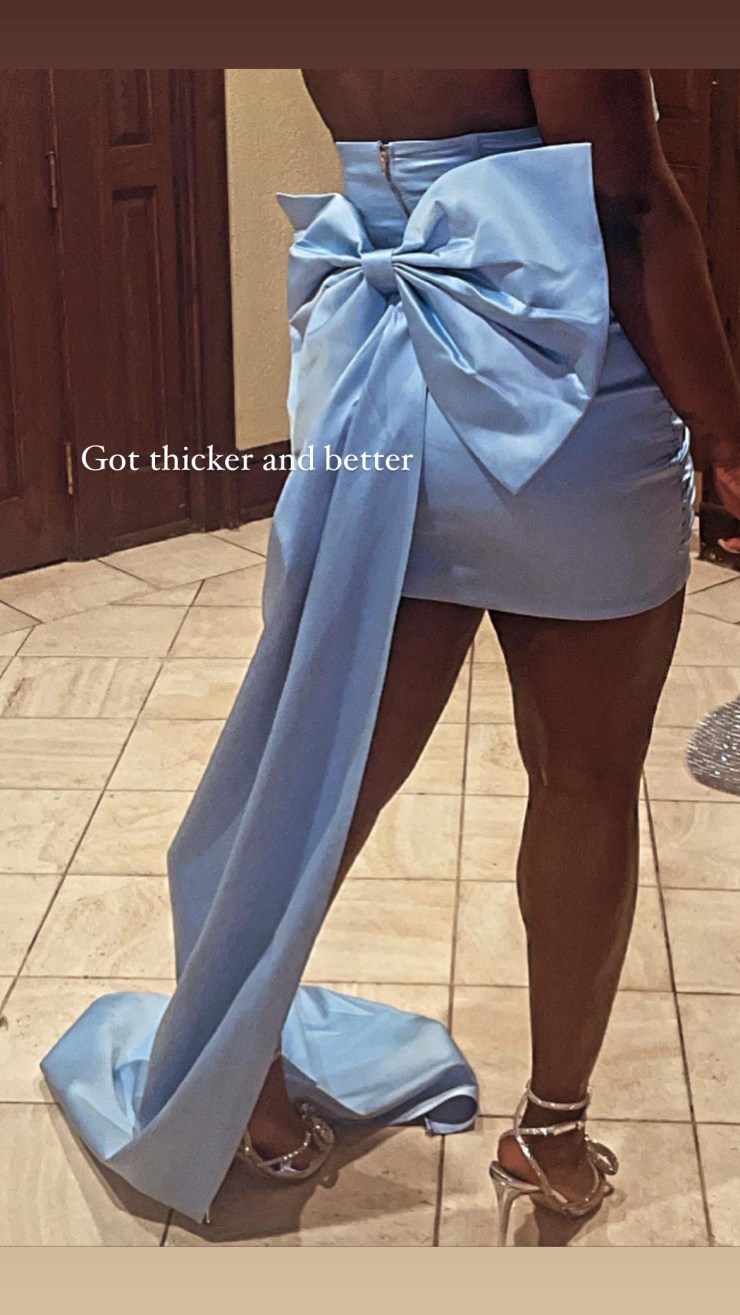
    Second puberty or “my grown woman weight” is what I have decided to call this recent weight gain I am experiencing. You know, I thought I had escaped the “Freshmen 15” curse in college just to encounter it in medical school. Might be because of a change in hormones, might be because I am not running around working three jobs and life has been pretty sedentary due to medical school. Nonetheless, I have gained weight. 

    A particular store was not shy of telling me so. A couple of months ago, I made an impromptu decision of walking in into the store after dinner with a few classmates and decided to get a cute skirt. I knew I was not a medium anymore, so I grabbed large thinking it would give me exactly enough room for my curves to breathe. Oh my was I wrong! I am not delusional to believe that I have not become fuller in the past couple of years but not to the point of needing an extra-large. (And that’s not because I am ashamed of it but because I didn’t think I was). I shrugged it off as a store issue, maybe it’s just this company. A couple of weeks later I ordered some business casual pants from one of my favorite companies, and remembering the previous fiasco I decided to size up. I will get a 1X and take it to my seamstress to take it in, if anything, rather be safe than sorry. Oh my, was I very sorry! The pants could not go past my thighs, and at that point, the tears were rolling. 

    I was confused and frustrated. I’m trying to not let these occurrences affect my body image because I recognize that the feelings were those of frustration. Frustration at the fact that the places that match my style, will not make clothes for me if I get to a certain size. Frustration at the pressure I feel from the fashion industry to diet. 

    I have been working very hard my whole life to not place myself on any type of diet. I just want to embrace health as a lifestyle, not a craze to lose weight to get a particular figure. I eat a well-rounded diet, redefining my relationship with food. I try my best to remain grateful for my healthy body which has never failed me in a day and lessen the amount of time I compare myself to the skinny runway model or hourglass figure IG models. I genuinely love being active and have still found ways to remain physically active during medical school.

    All to say, I do not do diets, I don’t really believe in those restrictive aspects that encompass many diets, and always been adamant about how the approach to obesity and diet, in this country, in particular, does more harm than good. Fatphobia is a real and very dangerous phenomenon to continue engaging in, and I remain conscious of the implicit and explicit ways I may promote that in my daily interactions not just as someone in the medical field but also just as a person. However, in being transparent, I have internalized a lot of it. I often question whether my love for exercise and healthy eating is related to a desire to never be “fat” (or even considered “fatter” by someone else’s standards).

    Weight does not equate health. That’s is just a fact. 

    Weight is desirable. Another fact.

    Socially however this is not always the case. We can see that also with clothing companies whose sizes do not match natural bodies. In all due respect, if I am a plus size, and sizes in the majority of stores don’t go past 1-2X…who are they making clothes for? The majority of the country is considered “overweight”! 

    Most stores produce smaller sizes in greater amounts. Plus size clothing is not many, when you go online or in-store they are few and are the first to run out, while smaller sizes remain…wasted. The math is not mathing! 

    Even though I am currently struggling with some upper body issues, I really do love my body in all honesty, without the social media, or the number on the scale, I would never think of changing my weight. When clothes don’t fit, I give them away (I don’t hold onto things with the hope of fitting them again, it’s not healthy), I buy bigger sizes and just get them altered, and I don’t engage in any craze diets. 

    Nonetheless, I feel the pressure, and I know I am not the only one. I still have not found a way to come to terms with these feelings… there is no consolation to be offered here, unfortunately. 

    All I know is the conversations around weight and diets have to change, from the medical to fashion standpoint. 


    Video to watch: why don’t clothes fit???? by Mina Le (Please do take time to watch Mina Lee’s video explaining more about the history and implications behind sizing.)

    Podcast to listen: Fad Diets by Maintenance Phase

    Unlovable?

    I recently read “The Vanishing Half”, and there was a line by a white character to the dark-skinned black woman along the lines of how she (the dark-skinned woman) was so lucky to have found her boyfriend because usually, men do not go for women like her. 

    The other day a white classmate in my group said to me (jokingly?) he imagines my boyfriend is a great guy if he puts up with me, the other white classmate laughed along. At that moment I was lost for words because 1. what does that even mean 2. Where did this topic even come from and why.

    I think I have an idea of what it means. No matter how close, no matter how much they like you, no matter what, many people (particularly white men) can not imagine loving or how someone else can love a Black (dark-skinned) woman. 

    It is the morning after this incident and as I sit here reflecting, I am also a bit annoyed by the fact that this bothers me still. I mean it is not a new concept. It is a misconception, not reflective of how many dark sinned women around me receive love every day. Yet I also do know that it is a very alive misconception. 

    Misconceptions that have been carried along for so many years, they are seen (subconsciously or not) as the truth. 

    Many often, taking media as a reference, Black love characters are often disposable. They are the obstacle the “real” (white) couple must overcome, the in-between, the rebound, the adventure, often rarely “the one”. 

    In a previous post I wrote “Representation Matters”, I mentioned how distorted representation of love for/amongst Black people is.  It is never given the same grace, easy-to-watch rom-com storylines, or attention that are granted to our white peers. (Ie. Lane’s storyline vs Rory’s, even Kirk is given a love story easier than Lane’s). 

    It is often something hard to accomplish, it does not naturally make sense, a struggle must happen, others have to “put up” with it. 

    It really fucking sucks when these misconceptions are placed on you in real life. 


    Video to Watch: The Disposable Black Love Interest – A Tokenistic Cliché

    Book to Read: The Vanishing Half by Brit Bennet

    P.S. I know Lane is not Black, I was watching Gilmore Girls as I wrote this. Nonetheless, we cannot deny this experience often extends to other POC.

    Fly Girl, Fast Girl-Sexualization In Media 

    What is the target demographic for this book? Am I too old to be reading this? Regardless, I’m also uncomfortable with the idea of pre-teen or early teens reading this. Why are these descriptions of teenagers having sex so graphic? Amongst others, these were the main thoughts that went through my head as I read 2/3 of this book ( I could not finish it).

    I was reminded of this much-debated discourse prevalent among social commentary YouTubers about the weird obsession adults in media have with teenagers’ sex lives. I mean most young adult’s tv shows past and present include storylines (actually these are the driving storylines) with teenagers and sex. Is it really necessary for teenagers to be sexualized this much? 

    I understand the importance of reflecting on true experiences that may/do occur to many teenagers. However, there are also sources that show that teenagers are not leading as much of a sexualized life as depicted in tv. I’m not here to slut shame, I truly hope my words are not interpreted that way. I do support safe and healthy sex for all people and find actual sexual education as important as the next. Those conversations do need to occur.

    What I do find an issue with is the constant saturation and depictions in the media with sexualized teens. It’s not reflective of all, and I want to (and wish there were more stories that did) make it clear that it’s completely normal if your life is not reflective of a Gossip Girl character. It’s okay if you’re 15,16, 17, 20 something, shoot whatever age and still haven’t had a sexual experience. Young people are not just individuals with crazy hormones just focused on the next sexual/romantic encounter. And even if so, it is much deeper than that. And even if not, it is completely normal.

    There are only a few shows like Sex Education and The Sex Lives of College Girls (by my favorite Mindy Kaling) which tackle sex in young people’s lives in an authentic way. Where it is not a spectacle for viewers, an insert of sex to glamorize or add a shock/edgy factor to the story.

    As a Black woman as well, reading the first chapters of this book, it was triggering to see how early being sexualized starts and how much of that is blamed on the young girl rather than the world who has placed these labels on her way before she was born. 

    For a long time even as an adult, I felt uncomfortable with being comfortable with my own body because of how much it was sexualized. I felt like loving myself and being comfortable with my curves was a way of making those misconceptions of “young Black girls being fast” true. I didn’t want to wear certain things because I did not want to confirm stereotypes that people would have about me. It has been taking quite a long time, and a lot of practice (sometimes literally standing in the mirror and repeating “do not change, do not change” or even avoiding looking in the mirror and over-analyzing myself before going out) to slowly liberate me from these ideas that were placed on my persona by the media and society. 

    All to say to writers, producers, showrunners, to truly think about how they are depicting young teenagers when creating. Is that sexualization necessary to the character? Is the idea that “sex sells” really worth the burden being placed on your audience? To viewers, what and why is that you enjoy when watching that? Whose viewpoint are these narratives from? Why is it that when a girl decides to take control of her body, she’s objectifying herself, but when a teenage girl is getting sexualized on tv you don’t even notice? Where is this difference in reaction coming from?

    I know in these past years, we have been more welcoming of how a person is defined by different identities, and more self-aware of how correctly depict stories and individuals…nonetheless that right and understanding may be extending more to certain individuals than others. We must be extending that grace and respect to everyone, not just people with a certain body size/shape, certain job, age, race, or cultural background. Don’t sexualize Chloe for wearing the same thing Halle is wearing.


    Video to watch: let’s talk about the Japanese Schoolgirl by Mina Le ( I don’t think I have introduced you to one of my Youtube favorites so I chose one of her videos for this subject, well said with a side fashion/cultural history)

    Video to watch: Y’all are desperate to humble Chloe Bailey by Khadija Mbowe

    Deserving of Grace 

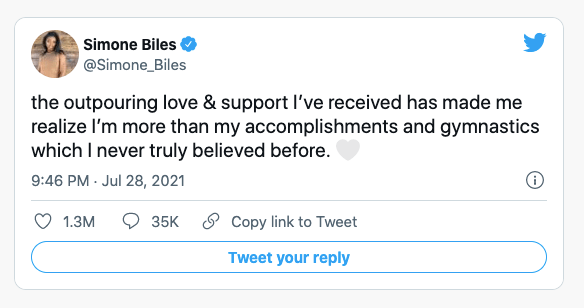
    My pastor stated that God is not further away from us. We are not deserving of God or closer to Him based on what we do or what we are able to accomplish. It reminded me of what Kimberly Foster (For Harriet) stated about how in our society we grant grace to the people we perceive as worthy, hardworking, or have something to show for the kindness they have been given. Utilizing the Simone Biles situation during the Olympics as an example, she questioned whether the support Biles received was due to the fact that she was a gold medalist. Would the same support occur if she wasn’t a decorated athlete? 

    Is that grace and support people demonstrate contingent on her merits? Would she have received the same kindness if she hadn’t earned it through the her many well deserved accolades?

    It is a fact that as a society, we do not extend the same grace and kindness to just anybody, especially not to the poor, elderly, or disabled. 

    We often hear phrases like “you can rest once the work is over”, “you deserve to be proud only if you accomplish this”, “why don’t they just get up and go find a job instead of complaining”…one is allowed to rejoice, complain about status quo, to be celebrated only once certain accomplishments have been reached.

    This mentality has even translated into my academics and my faith. I will only be happy, or be deserving of where I am, after I have worked tremendously to get a certain grade or certain position. I have to do these specific things on a daily basis to be deserving of God’s grace and kindness.

    Hearing my Pastor’s message, it made me more grateful to have found God and to be a believer. It reminded me of how much and why our God is the almighty. The fact that He loves us not based on our work and merits, shows how merciful He is and how we should be towards each other. Equity can be only be found through this way. Our society (the American society I should specify) separates people and grants them certain privileges and rights based on their class. But God gives grace to all those who believe so we are all equal in His eyes. You don’t deserve His grace nor are you better than someone else based on your degree, occupation, abilities, income, position in church leadership, or how much you give or do compared to your neighbor.

    In the same way, being deserving of basic human rights, deserving of safety, shelter, kindness, love, good living conditions should not be dependent on people’s merits. 

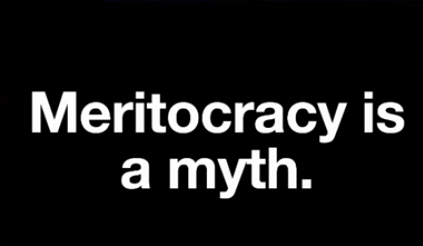
    I wish we could all let go of this idea of meritocracy because honestly it is truly a false ideology that does not exist especially in a society with so much structural discrimination that has constructed generational wealth for and continues to benefit a certain demographic.

    I am not saying do not ever celebrate your wins or accomplishments. I am saying that no matter what a person should be granted joy, grace, kindness not just when they have something to show for them, not just when they accomplish something.

    The good news with God is that grace it’s not down to our efforts but His mercy. 


    Video to Watch: Is it even worth it to work hard? Let’s discuss #IDontDreamofLabor (For Harriet, Kimberly Foster)

    Book of the Month: Currently reading Flyy Girl by Omar Tyree

    Navigating my own anti-Blackness

    So I recently read this paper (which I link below) that posed this question:

    “Do these results indicate that Africans are more integrative into the white dominant culture than African Americans are?” 

    My immediate answer was yes. My experiences and observances so far demonstrated a higher likeness towards Whiteness that begun to significantly change only once my interactions with African Americans grew. In my personal experience, my love (self-love) and advocacy for the Black diaspora, and all its features, would not have existed if I did not fully integrate with African Americans and see their issues as my own.

    With my early stages of my development occurring in a White (European) setting, and also within the African community, there was an inclining towards viewing Whiteness as the goal or reference point. In the African community, (more than African Americans) there is a sense of upholding White people as better than Black people, which I believe stems from colonialism and the strive to reach the higher development seen in White western countries.

    In addition, in some shape or form, I was being molded or molding myself into becoming a version of a Black African Immigrant that was acceptable to White society. I would study rigorously to show that the only African girl in my class could keep up with her Italian classmates.

    There was a part of me that worked tremendously hard because I thought I (singlehandedly)could show that Africans can achieve the same goals set and accomplished by White Europeans.

    I saw myself that way until I moved to the United States. My pride in being African was not associated with my Blackness. It was more cultural than racial. I knew, had experienced, and understood racism. But in my effort to fight racism in my own way by proving myself, in classrooms especially, I did not see that racism extended past me, past Africans. There wasn’t just our Black. But then again, I was not quite fully aware of the extent to how deeply anti-Blackness could run within others or ourselves.

    When I moved here, I witnessed many (older) Africans try to distance themselves from African Americans: either by moving into a predominantly white neighborhood, telling their children to be wary of African Americans, condemning the lifestyle of African Americans, or failing to acknowledge or understand how systemic racism has impacted African American communities and how it extends to Africans as well.

    At the same time, I witnessed African Americans belittle Africans: with derogatory terms, bully kids just for of being from Africa, or appropriate and diminish African lifestyles, without understanding it, or try to deny their African ancestry.

    Many were the occurrences that led me to understand how anti-Blackness has been internalized within the African Diaspora to creating and amplifying cultural differences in complex ways.

    As writer Nemata Blyden perfectly explains it “… I noticed the so-called divide between “Africans” and “African Americans,” while easily straddling both communities. This allowed me to understand the major differences between them, and to recognize that their historical experiences, while comparable in some respects, were radically different in others. From my vantage point, I also saw similarities that neither group would have recognized in each other.


    Moving here, I came to understand how systemic racism operates to oppress ALL Black people, learn the history and efforts of African Americans to dismantle racial discrimination, and their contributions to society and pop culture, and immense work to uplift pride and love of being Black. This is what allowed me to shift my reference point away from whiteness.

    I now know I am deserving of everything because I said so and not because a white society deems me as worthy.

    My goal is to not conform, belittle my Blackness in a way, to make white people comfortable. My goal is to exist fully, loudly Black however I may define it to be.

    My point is I would not have reached this conclusion if I did not work to expand my interactions with African Americans, in a way that allowed me to share and understand their work to uplift Blackness.

    I believe while a lot of work is happening within African communities to uplift ourselves, the fight against White supremacy (in the US particularly) is lacking, often seen as not “our” fight. In a way, it is because many Africans still uphold whiteness as what to strive for, rather than making our own goals.


    Articles to Read:

    Videos to Watch:

    No ordinary girl

    Before you start reading allow me to state that gender is a social construct. Also, words like “masculine” and “feminine” or “girly” or “manly” are meant to be in quotations and this is my face everytime I use them.

    Gender is not a two sided coin, with just two faces, it’s a spectrum that can be expressed however you choose.

    I usually write a post many months in advance and just sit on it, revisit it some more before I share it. This also happened with this piece I wrote a little over a year ago, but felt unfinished with it. I agreed with what I was writing and feeling at the time yet still felt the need to reflect deeper. So I did, and think now, while I am still learning, I am ready to share. In cursive will be the piece I originally wrote last year, then I go to reflect on the realization I have been making since then.


    I know there is not a single way to define what it means to be a girl. Girls come in all shape and form with different characters. However, there is a specific type of women that are mostly represented in the media and in cultures as an “acceptable” form of a girl. Everything else is being “different”, not the “norm”. Especially growing up, I saw that a lot and was expected to act that way by my family. But I’ve never really been that way. I’ve never identified with the main female character (mostly because they never looked like me) and also because I never felt like what was considered a girly girl. My mom always pushed me to pursue certain behaviors that were attributed as feminine in our culture. I don’t quite know if it was because it was being forced on me or not but I never felt like that was me. I did want that to be me.

    Yet,throughout my childhood and even now I struggle with feeling like I am not feminine enough. When I cut my hair, which was the most liberating thing I’ve ever done, but I would sometimes still feel insecure because I wanted to refrain from looking like a boy. In the first months after cutting my hair I would not wear some of my clothes (that I loved!) because they made look too boyish, I regularly got my nails done because they added a sense of femininity to me.

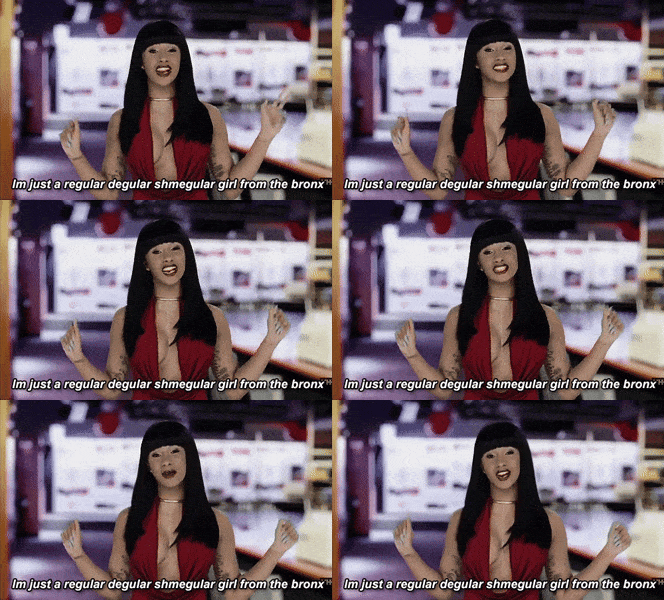
    Im Just A Regular Girl GIFs - Get the best GIF on GIPHY

    There’s nothing wrong with wanting to look feminine, but for a long time I felt like it was the only right way to be a girl. I like to think of femininity as a spectrum and I never felt like I was the most feminine. For so long during high school and college I felt like I had to be embody what we call “a bad bitch” in order to be seen as feminine. But it’s hard to be a bad bitch all the time. Sometimes I just want to be regular.

    Additionally, I have struggled immensely to view and accept beauty and fashion as strengths. I have mainly embraced them because I was taught to be always look presentable, as a way to show that I belonged and get respect, especially due my socioeconomic and cultural background (combat that all Africans are poor and unkept stereotype, but that is a different conversation).

    Cardi B Asia GIF - Find & Share on GIPHY

    Obviously, there are a lot of issues to reflect upon after reading that. But for the sake this post I am exploring my resistance against femininity. Because the truth is I did like indulging in feminine things so why the heck was I acting like I did not and trying to suppress those feelings since such a young age! Like why.

    I realize now that it’s not that I was not into beauty and fashion or other girly things. I always enjoyed nice clothes, maintenance, love doing my hair and nails, I enjoy watching fashion, makeup, skincare videos on Youtube as much as my history or political videos. I just never had the confident to accept those things, indulge in those things because I perceived them as weak. I tried to show and preferred my masculine habits more, and used those to define myself because I thought that was what it meant to be strong. I did not want my feminine side to showcase me as weak. I was very misplaced in trying to reject certain things in my desire to continue to be strong willed and – I can’t even find a word to describe what I mean that does not have a masculine connotation behind it. 

    But ironic (or maybe just tragic) enough I knew that I needed to utilize my feminine side mainly in order to combat that aggressiveness that is placed onto Black women. I was aware of how my assertiveness, intelligence, nerdy tendencies were viewed as somewhat too much for a girl with my ethnicity and race.

    It’s like because of sexism I did not want to accept my great “feminine” qualities but because of racism I needed to use those qualities so I would not confirm that stereotype of the angry, too masculine, dark-skinned (because yes colorism!) Black woman. Because of these issues I needed to find an intersection where I had just the right amount of femininity to still be desirable yet strong, but too intimidating for people and even worse to scare a husband away.

    Imagination Spongebob Meme - Imgflip

    Now that I am learning more about myself and social constructs I realize how I have been limiting myself, my skills, self esteem, confidence, growth (all of that!) to adhere to society’s level of comfort. I’ve always thought of myself as someone who likes to take risks, and in way does not care about others’ perception of beauty.

    Unless it comes to fitting a stereotype.

    My fear of fitting a stereotype (surrounding sex, gender, race and even sexual orientation) I realize, is because subconsciously I am subscribing to those prejudices and biases. Even though I know the blatant lack of truth stereotypes carry, I still carry those biases towards myself or others who are affected by similar stereotypes. 

    In my last post I spoke about Rachel from FRIENDS and how for a while I didn’t like her also because she really indulges in pretty feminine habits. Yes, I have come to realize how wrong that was. But let’s unpack that real quick.

    You Gon' Learn Today! - GIF on Imgur

    Monica and Phoebe still were very gender conforming in the show, however their most highlighted behaviors were not related to their femininity. Monica was a go getter, hardworking. Phoebe was quirky and tough. Most of these attributes can easily be seen as masculine. Rachel, I would say was the most gender conforming of them all. However, at first, the characteristic highlighted the most was not her fierceness but the fact that she was the pretty girl; along with her storyline being immediately tied to a man. While Phoebe’s lack of a definitive career was made to seem more because of her choice of a nontraditional lifestyle, the lack of definitive career of the more feminine character, Rachel, was because she was the spoiled girl “who still used Daddy’s credit card”, she was the pretty one who never had to work as hard.These wacky unsubstantial storylines are constantly given to more feminine characters in the media. 

    Regine Hunter on Living Single | Living single, Fashion tv, Fashion pictures

    I even see that with Livin Single (just to pick another great show from that era) with Regine. Regine (I also like to point out light skin, but I will come to that later) love for and sense of fashion, beauty was supreme in that show.

    However her choice to pursue those things (which are socially labeled as “girly”), to also ultimately snatch a man (well ain’t that a coincidence!), was often ridiculed and portrayed to be looked down upon.

    There is always this negative connotation surrounding a character’s choice to indulge in more feminine things.

    Living Single Yes GIF by HULU - Find & Share on GIPHY

    Yet, Maxine, who by all means fits the more praised characteristics often associated with a man, still faced some sort of backlash, viewed as being too manly, too aggressive, and needed to be tamed. And yes, if you guessed right Maxine is dark-skinned. Having the same characteristics which are praised in a man or even highlighted as positive in a white woman (as we see with Monica, and Monica and Maxine are very similar), but vilified when it comes to a dark-skinned Black woman creates a harmful perception that continuously affects women like myself.

    This sort of internal struggle that I have been experiencing my entire life, yes stems from my personal insecurities, but is deeply deeply rooted in sexist and racist stereotypes and harmful perceptions emphasized by our society and the media. 

    So why was I rejecting femininity from such a young age? Because I did not want to seem weak. Even though I liked feminine things because that’s just who I am (I mean with all the magical girl anime I watched), I understand now that I was just trying to suppress them because the society viewed them as insubstantial. As a Black woman, additionally, because of racism and patriarchy, there is a lot of pressure and demand to be more feminine, sexual, strong and assertive (but not too aggressive), that makes growing up, navigating life just trying to be yourself much much more complicated.


    Video to watch:The Girly Girl Trope, Explained” The Take on Youtube has a lot of videos explaining “tropes” in media and their social impact. Binge and learn.

    Other favorite social commentary youtubers are: For Harriet and Tee Noir. The range of well researched content provided by these Black creators, diving into heavy or light hearted topics, challenging your perspectives…I’m here for it.

    P.S. I do not own any copyright to the images included.

    Representation matters

    This feels weird to say out loud and in some way I have felt ashamed by it for a long time but either way stay with me. 

    It was not until recently that I started dreaming about Black men as my love interest. I know that’s very odd since I have dated Black men in real life and uhm…I’m Black myself. I don’t have preferences when it comes to race when dating, however it seemed like my dreams seemed to and for a very long time I felt guilty and always wondered why! 

    The Notebook' is the worst and I didn't realize it 15 years ago

    Growing up and even now many of the shows and books I read revolved around white stories. When we think of epic romance in TV/Cinema, they are mainly surrounding cis white heterosexual stories.

    In my case, for example, even the few times when a Black girl would be present, she would be dating a white guy (or Black male, white girl). 

    Tornano sui banchi di scuola I LICEALI: da questa sera su Canale 5 –  ilTelevisionario

    Throughout my preadolescent years that was what I was mainly exposed to: many of the shows I watched (because that was what was available and predominant where I lived) were about white people finding love, and the few times a person of color was present they weren’t given a great love storyline, if any at all.

    So for a while I thought that was the norm. I was not exposed to cinematic Black love, albeit that representation was present in my life from my parents to family and friends. However, as a teenager growing up, we all want to be what we see on tv and your actions, desires, dreams are influenced by that.

    After I moved to States I did get a bit more exposure to Black love in mainstream media, but the story that mainly predominated was “struggle love”: the love complicated by systematic racism, crime, infidelity, or tragedy. I was a bit disappointed because I knew those were not the only stories Black people have. We also have crushes, we also have high school relationships and drama between friend groups, we also have high school sweethearts, college boyfriends/girlfriends, one night stands, summer and travel love stories, breakups and heartbreaks, the “opposites attract” story, friends who become more, happy marriages, but that’s not what was reflected in TV. It seemed as if Black people did not deserve or have what could be considered “coming of age” or “normal love” stories. 

    Recently there has been a slow push to showcase more of Black love stories (and that of other minorities) in a more realistic light, reflective of real life in media. However, there are still some inequalities that continue to exist. For example, there is a limited access to Black content. For a while I thought it was solely because not enough shows featuring lead Black characters were being made,(I stress lead because I am deeply over the Black best friend trope in Hollywood, I’m too tired to even get into that so please read this well written piece in by Tayo Bero) but that’s not necessarily true. Saying that would be like a company saying we have not hired Black people, because there are none that specialize in our trade.

    Fake News GIFs - Get the best GIF on GIPHY

    Most times the reason is that a thorough research into, marketing to a particular community has not been done because that’s not what matters, and honestly the same applies to streaming services. 

    How come when I go on streaming services such as Hulu or Netflix I can easily find like hundreds of rom-coms or sitcoms with white protagonists but with Black stories the content is much less or we have to look elsewhere requiring even more payment?  Why did it take so long for Netflix to make shows like Moesha, Girlfriends etc available? I also raise my nose at how quickly these shows became available due to the recent events highlighting racial injustices. By all means I recognize the efforts and I am super excited to watch these shows and keep getting more. But how come it always takes more for BIPOCs to have the same things that are granted easily to white cis hetero peers?

    Personally, recognizing and acknowledging the need to expose myself to more Black stories in media, for the past years I have been consciously seeking out to read more novels and watch shows surrounding Black characters. I still have a long way to go but honestly I have been learning quite a lot about myself, the true history and cultures of different communities and broadening my understanding on so much more.

    A friend of mine recently asked me why is it that suddenly all of these changes are being made to TV shows, shows being taken away because of their depiction of racism, changes to Paw Patrol, increase in shows depicting more Black stories. And the point made is the same that has pushed me to exploring more Black stories on my own, to desire more representation in media. Black people are not monolith. Represent us, and represent all of us, represent us well. 


    Podcast to listen: Check out the Podcast “Chile, Anyway” by Jayden Cohen Boyce and Amira Lee discussing everything you need to know. I literally laugh out loud. 

    Shows to watch: Recently finished “Everybody Hates Chris”. Another show that makes me LOL for real. If you have already watched it, go watch again. Or watch “Girlfriends”. Watch or Read something Black. Happy to make recommendations if need be.

    P.S. I do not own any copyright to the images included.