Christianity and Activism

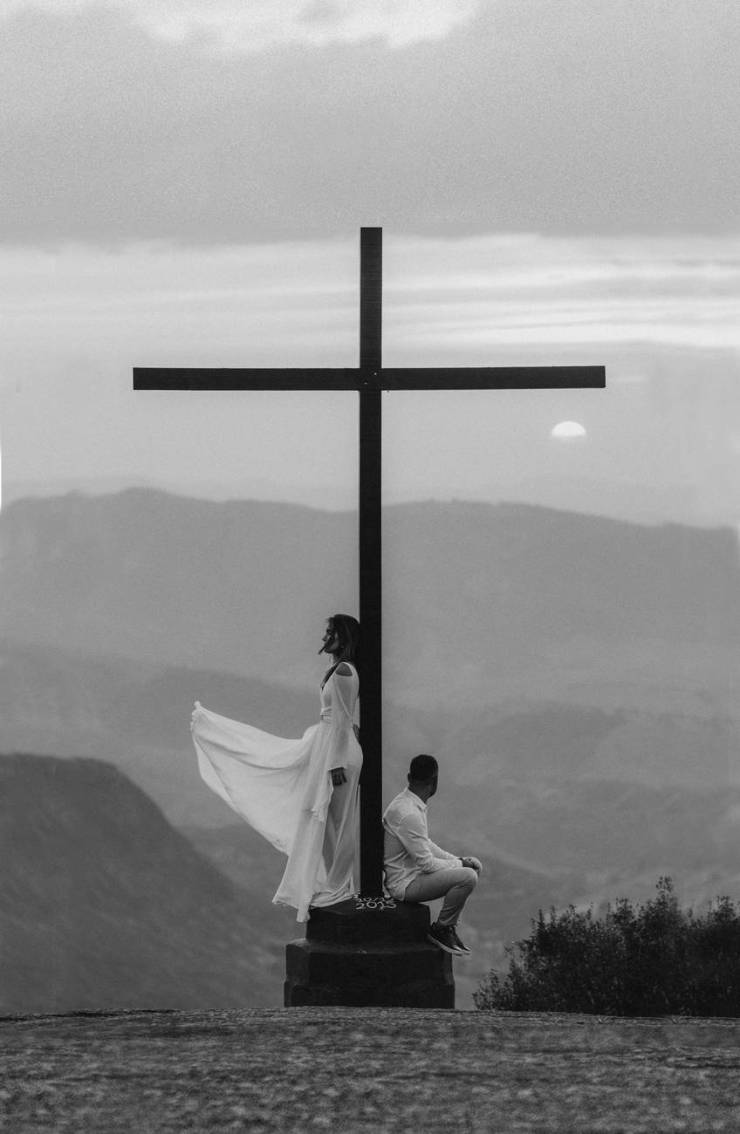
I am Christian. It’s the identity I hold most dearest. As Christians we have some responsibilities that are not easy to follow, we live striving for the best, trying to replicate God’s will, showing his  love through our actions. No Christian is perfect, we are all sinners. 

Yet, something I have noticed within the community is the (I’m not even sure the right term for it) emphasis on particular sins over others. These particular sins mostly also seem to be those that negate other people their right to choice, to human rights, to love. Many things are wrong in this world, many things that we all participate in do not reflect what the Bible states. However it’s seems that throughout history, the main things some Christians have upheld as the “ultimate” sins (again no where in the Bible are these referred to as such) are abortions, homosexuality, and recently the Black Lives Matter movement. 

I have always had much trouble understanding why that is and accepting this. I have always found several contradictions in what we preach versus what we practice. How can one be pro-life but not say a word about the mistreatments of immigrant children at the Border? How can one tell me we are one in Christ but not be vocal about discrimination against Black and Brown people? 

It seems to me that the conversation many “conservative Christians” have is never one coming from the place of love (“And now these three remain: faith, hope and love. But the greatest of these is love.” – 1 Corinthians 13:13), but rather from a place aiming to castigate anyone who challenges their views on what is right.

There is this belief that constant condemnation is the right approach, over other routes that stem from understanding, mercy, and love.

For example instead of standing in the corner of the street with posts condemning a woman’s right to choose for their own health, how about getting involved in fields that work to improve healthcare so that maternal mortality rates are not so high? How about advocating for affordable childcare (which over the years has been increasing tremendously) so that families feel more economically stable to have children; just to mention a few.

Solely and continuously telling people what they are doing is “wrong” is not the way to bring by change. What is needed is an approach that includes sustainable solutions that help improve society in ways that, yes can abide by our faith, and do not involve mis-using the faith to infringe on other people’s rights. And trust me there is a way.

Yet, many christians’ mentalities is that this can not be done. It is either you are for us or against us. There is no in between. The demand is for others to follow what their notion of what the word of God is, without quite any helpful suggestions or will to do the work of meeting others halfway. How some Christians operate in bringing by the will of God is either by shaming people about the sins they are committing or by praying for the best. Many times ignoring the work that needs to be actually done. 

I have noticed this a lot in the recent stances against “Black Lives Matter” by some of my own Christians associates. 

First let me just say this really hurts. Personally, it was incredibly difficult to see people I have worshipped with, prayed with, spent time, and laughed with easily dismiss the significance of what’s currently occurring. 

How easily the harsh reality that Black people face were dismissed because it did not match their perspective of how the world is, because the demand for change does not agree with their notion of how a Christian should conduct themselves, it does not reflect what Christians should support. 

Human rights? Christians aren’t supposed to support human rights? Because if you truly have educated yourself to understand the fundamental basis of Black Lives Matter, you would comprehend what it is really about. 

At this point in history to blatantly deny/dismiss the systemic inequalities that BIPOC face in society, does not even stem from a place of ignorance but indifference. Period. To do this, is to consciously ignore the hardships that disproportionately affect BIPOC lives and state that there is no need for change.

Realizing that this was the case for many Christians was quite hurtful, because then do they truly believe I, or any other Black person, “brother or sister in Christ”, was also created in the image of God? Do they really believe that the way Black people are mistreated around the globe is how God wants it? How can they preach about kindness but not address the unkindness towards Black people? Do they realize that through their silence, they are siding with the oppressor?

Yet, sometimes what’s even worse than the silence is the continuous efforts to actively dismiss a movement that’s fighting for Black people to be shown the same compassion and love that other lives get. These efforts include but are not limited to: 

1. Saying “All lives matter because God made us all equal, and we should just stop, there’s no need for this, no need for protests or activism because God made us all equal and that’s all that matters”; 

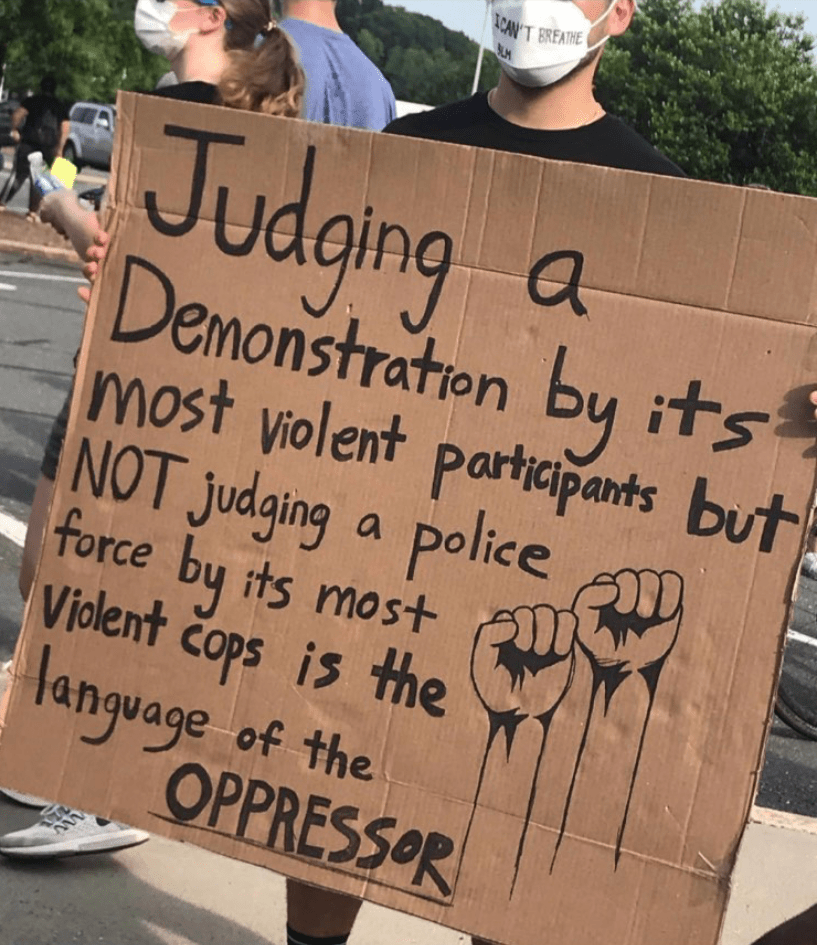
2. Not agreeing with looting, therefore throwing the entire movement into the trash because “oh there were a bunch of looters and we shouldn’t condone violence, we shouldn’t be out there protesting because that’s taking revenge and that’s not what God wants us to do”; 

3. Posting only things that dismiss Black Lives Matter because the organization Black Lives Matter “stands for Marxism, is promoting equality for ALL black lives and that includes the LGBTQ community which is just not right, AND they are pro-choice, AND anti-capitalist so that must mean they support Marxism, well there’s our proof, it’s just wrong to stand up for such things as a Christian you know, and it’s our duty to point out what’s “wrong” 

4. “We should just pray, leave it God, have faith and it’s gonna be alright, let’s just move forward, pray that’s all we need and can do.” 

To these I urge you to think: 

1. God did make us all equal, that’s was and is his will. However that is not the reality in this world. Therefore don’t you think that if God wants us to be all equal, isn’t it also our duty to make that happen? To make sure others are treated equally? Won’t that be carrying on His will?  Yes we must have faith in the word of God (that we are all equal, that his God’s reality) but it also states “But be doers of the word, and not hearers only, deceiving yourselves.” James 1:22 We have to do the work to make sure His will happens.

2. As much as you have suddenly become an advocate against looting, where was the exact same energy when Black lives were disproportionately murdered by police? Where is that same energy condemning the violence perpetrated by law enforcement? Why is it that this is what you have chosen to post about?

I am an inherent believer that if you are posting about something, that is what you care about. You will never see me post about motorcycles because I don’t care for them. So if the thing you post about (and sometimes the only thing) is about the looting, or how blue (or all) lives matter too, how good cops exist so this is unnecessary…etc., then in a way that is what is bothering you the most. Not the murder of George Floyd and countless others, not the fact that Breonna Taylor’s murderers and others are still free. 

So is it really about not condoning violence if you are biased to seeing violence only from the side advocating for Black Lives? 
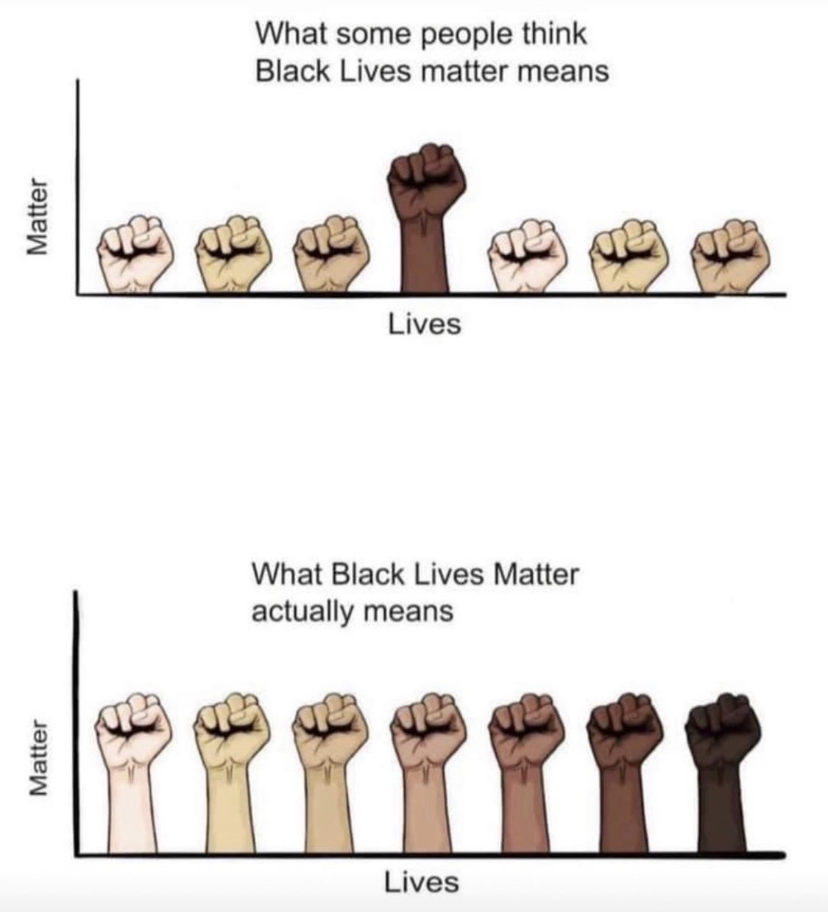
Also where does Black lives matter equate revenge? Pro black doesn’t mean anti white.  It has been said again and again. Lack of educating oneself, lack of empathy and understanding and feelings of hate will lead one to believe that.

We are not out to take revenge. This idea again places violence as coming only from advocates. It falsely promotes the idea that Black people are out to inflict harm, when actually we are the ones being harmed. It completely negates/dismisses the sufferings done to Black lives by the hands of racism and police brutality. Many Black people and allies have died advocating against racism, we have seen acts of violence by police and racists (as recently as the case of Summer Taylor) but yet where is your post against that?
3. Do you believe Black lives matter? Is that contingent on what God has said or what an organization does? Do you think Black lives matter, yesterday, today, tomorrow? Or do they matter only when and if they are not making you uncomfortable? Only when they fit into your definition of what’s right? 

Do Black lives matter? Or do they matter only if they are not LGBTQ? Only if they are Christians, only if they do not commit crimes, only if they support all your ideals, only if they’re anti abortion or pro capitalism, only if they sit quietly and don’t demand equal rights? 

Do you hold these same contingencies for white lives? 

Is God’s love and mercy upon us contingent upon these same qualities you, a mere human being, are holding against another human being? 

Why is it that you stand up against certain sins but not all sins? Why is fighting for equal rights for Black people, why is abortion and being part of the LGBTQ community or an advocate for such community‘s access to equal rights a greater “sin” than others by your definition? Are you really preaching the word of God, stemming from a place of love and mercy or do you just want an excuse to be against something that makes you uncomfortable, gives you the entitlement to hate, gives you certain privileges?

4. If you can go to third world countries with predominantly Black and Brown children to do missionary work because they are in less fortunate situations, how come you fail to realize the less fortunate situations facing BIPOC in your country? Could it be a white savior complex that you have? Is Black people demanding equality stroking your ego because they are doing it themselves and not waiting for you to come “save” them? They are doing it in a way that doesn’t allow you to sit in your comfort, and place of privilege and doesn’t make you feel like a good person because they are calling out harsh realities? Is that what it is? Is that why we should just pray and leave it to God? How come you are not just praying and leaving it to God when it comes to your missionary work? 

Unfortunately, many Christians are not asking themselves these and many more questions. There is not enough happening within our Church to address systemic racism. Many believe that it is not the place of the Church to discuss or bring forth social change. However doing this is committing a great disservice towards the Black lives that are part of our faith. Like it or not, systemic racism also affects faith. For example socio-economic factors such as less funding for churches located in Black neighborhoods, lack of Christian-led community outreach in predominantly Black neighborhoods, resources and transportation to facilitate access to church services and meetings…and many more. In addition, the way many christians act towards “outsiders”,  the outright dismay of Black and/or LGBTQ lives, or issues affecting them, the silence when it comes to advocating for anti-racism and racial equality…does not bring people closer to God. Many times we Christians have failed to show others, the mercy and love God has shown us. We have failed for way too long and it needs to stop now. 

I often hear many Christians say the world is steering away from God, yet when the world is demanding for a change, a change that does reflect God’s will, we steer away. We exclude ourselves, on some honestly “holier than thou” nonsense. The world is not gonna change into a better place, if the people who can help make it better, do not contribute.

Christians, it our duty to get involved in social activism, it our duty to fight for our Black brothers and sister and demand for the World to show them the same kindness and compassion given to others, given to us. We can do this by starting with ourselves. 

There are many ways to help. 

  1. Deconstruct your own bias towards Black people. 
  2. Be ready and unwilling to be uncomfortable but also understand that this is not about you or ways you can make yourself seem or feel better. It is about how you can make sure that you or the person next to you does not perpetuate racism or become a victim of racism. It is about dismantling a society built on systemic racism. 
  3. Find ways to support black businesses.
  4. Choose your area of expertise or interest (which is also what I am doing now) and figure out how you can work to uplift Black voices within that field. 
  5. Willingly do the work yourself, without placing the burden on the Black people around you to educate you, or tell you what to do. For example instead of asking “how can I help”, find out on your own ways to appropriately contribute to the change. 
  6. Approach with a plan.  
  7. Engage in discussions about current events, and not one sided conversation where either you are putting Black people (or many time the only/few Black people in your church or organization) on the spot to speak or a non Black person is taking up even more space. 
  8. Ask well thought-out questions to understand various perspectives (and believe the feedback you receive even if “those were not your intentions”). 
  9. No free labor: pay the Black voices you invite to lead “diversity and inclusion” trainings/meeting etc. Advocate for equal pay. 
  10. Hire, give opportunities to Black students, employees, church leaders that extends beyond “diversity and inclusion office/task force.”
  11. Continue to learn about real Black history, continuously challenge spaces where inequality is seen, and advocate that all Black lives matter.

Just like our journey with Christ is not an easy short term path, fighting against systemic and individual racism is a life-long marathon. 

Pray and get to work. 


Book of the month: The History of Mary Prince, A West Indian Slave, Related by Herself” (by Mary Prince)

Video to watch: “I grew up in the Westboro Baptist Church. Here is why I left” Ted Talk by Megan Phelps-Roper  
WHAT CAN I DO

In moments like this it is important to take listen and action. It is important to understand how the current protests and demand for change, (highlighted by the latest deaths of Breonna Taylor, Ahmaud Arbery, George Floyd & many others) is not new but deeply rooted in many many years of racial inequality in our country and learn how we can (and must) correct these injustices.

There are several resources out there that can educate us on how to strive for impactful and long lasting change. I have compiled many resources to help us during these times and will work to keep it updated as much as possible. I truly thank all the sources who have taken time to create/spread these resources.

1. KNOWLEDGE IS POWER

We want to strive for racial unity but cannot do so without acknowledging the past and current injustices that are fueled by racism, hate, discrimination, anti-blackness, and violence. This starts by educating ourselves and others to recognize these acts of discrimination and learning how to speak up and help. Amplify your knowledge, use and share it with others to also allow them to recognize the problem this country has. Read, watch and share. *Note some include direct links!

Books/Articles to read:

Movies to watch:

2. TAKE ACTION

In addition to peaceful protests in your community, there are several ways one can take action. From monetary donation to different causes and organizations, supporting families impacted by police brutality, supporting small businesses impacted by protests, donating masks to those who are protesting, to engaging in conversations with family and friends to promote awareness…etc. Remaining idle is not right. Remaining silent is siding with the oppressor.

Donate to organizations supporting the fight for racial justice:

Donate to raise bail funds for protestors:

Safely protest:

Black lives matter website has also create a comprehensive list of resources, tips and protection and pro bono lawyers available to safely protest. Please click here. Tread of protestors rights

Support local businesses:

Support local businesses affected by current situations. Racism is also systematic. In order to successfully dismantle racial injustices we have to be aware of how racism affects us in the many aspects of life, including disparities in distribution of wealth. That means also supporting your local and black businesses. Also reason to why I did not link the books included, to encourage us all to try and find them in our local bookstores! Thread of Black-owned bookstores

Here are gathered lists of small businesses we can support during these times. Please click here and here.

Sign Petitions

Black Lives Matter link to several Petitions to Sign

Other ways to be supportive

3. VOTE

Voting matters. A LOT. The people we vote for at the city, state, and federal level ALL have an impact on the progress of our country. Therefore with the intent of making the goals for this movement last, we must VOTE. Know when your city and states are holding election and participate.

4. LISTEN, SHARE, RAISE AWARENESS

Being a good person is not enough, learning and not sharing is not enough, being anti-racism but not actively involving yourself to challenge your implicit bias and the racism you may experience around you is not enough. We must listen, we must recognize the plight racism and police brutality have created in our society, we must share our knowledge with others and work to change ourselves and the community around us. If we can all individually even just change one heart that makes a difference. Reflect and change the narrative, start with yourself, your family, your friends, your community. Speak up.

5. TAKE CARE OF YOUR HEALTH

These times are particularly hard and being in the middle of a pandemic does not make it any better. We must rest so we don’t burnout and take care to protect our health, physically and mentally. We are still in the middle of pandemic therefore please continue to wear masks, wash your hands frequently, sanitize your cell phones and items, carry a hand sanitizer, maintain social distancing when possible.


This list is NOT exhaustive, just a place to start. Many more resources are available. I will keep this updated as much as possible.

BLACK LIVES MATTER

I woke up today, feeling a heavy pain on my chest. In light of recent events I have been in such a cloudy mood mixed of hurt, anger, anxiety, and sadness. It hasn’t even been more than two weeks since Ahmaud and yet again another innocent black man dies and at the hands of white police officers. I am sickened to my core. I have been laying here for two hours, too hurt to move, to hurt to think about anything else. This pain and rage is constant in my mind. 

I have seen the video but I haven’t watched it. I can’t watch it. I can’t stomach that pain on top of the hurt I already feel, I know…I just can’t. And I can’t imagine what he went through, his family is going through. What numerous black families have been forced to go through because of racism and police brutality. 

It’s so obvious how much the system doesn’t  care about black lives. It really pains me to see this, to see black lives lost, pains me to see black lives targeted and deemed as less important than others, it pains me to see the BLATANT discrimination against my people, and it’s so obvious. It pains me that people always find a way to turn the narrative around blaming the innocent victims, the protestors, but fail hold the perpetuators of police brutality and racism accountable. 

It pains me to see that people who choose to stand up against racism and discrimination are more persecuted that people who discriminate, spread hate, and murder black people. It pains me to see people more outraged by the loss of PROPERTY than the loss of BLACK LIVES. It pains me to see that while we wake up burdened by the agonizing disregard for our black lives, it seems to be just another sunny day for some white people. It pains me to see that in the midst of all this BLATANT injustice, people still choose to side with the oppressor. That they decide to remain silent. It pains me to see non blacks around me, followers, classmates, acquaintances, so called “friends” stay silent on these matters SHOWING THEIR OWN DISREGARD FOR BLACK LIVES. For my black life, for every black life in their lives. 

It’s time for a change. It’s time. It’s time. It’s time. This cannot go on anymore. Black lives cannot endure anymore of this blatant disrespect and disvalue of our lives. We cannot live the rest of lives in constant danger of being killed by the system JUST BECAUSE WE EXIST. We can’t spend the rest of lives showing y’all why it is wrong, why our lives matter, we can’t go on anymore with this pain and burden. Enough is enough. 


If you think you’re an ally, that “you are not racist”, that you believe in freedom and justice for all, value the lives of your black friends, coworkers, classmates, frat/sorority brothers/sisters, colleagues…THIS IS THE TIME TO SHOW IT. Speak up! Donate! Don’t stay silent.

To non black people, your black friends see and notice when you don’t reach out to them when things like this happens. They notice when u stay silent on these matters but still post bout your daily lives. They notice and question your friendship.

Check in with your black friends. Tell them you see them, you VALUE them, you are here. Ask how you can help. Educate yourself on how u can help.

Donate to the many organizations out there trying to help, speak up about your solidarity with black lives in your group chats, within your family. SHOW YOU ARE AN ALLY.

There are many ways to help and speak up. Many platforms provide the information on how you can help. Do the research and learn ways you can help, however you can. Recognize your privilege and use it to help, do not remain silent.

P.S. I do not own the rights to this last image. Courtesy of reposts on IG/Twitter.

SAFEGUARDING GIRLS

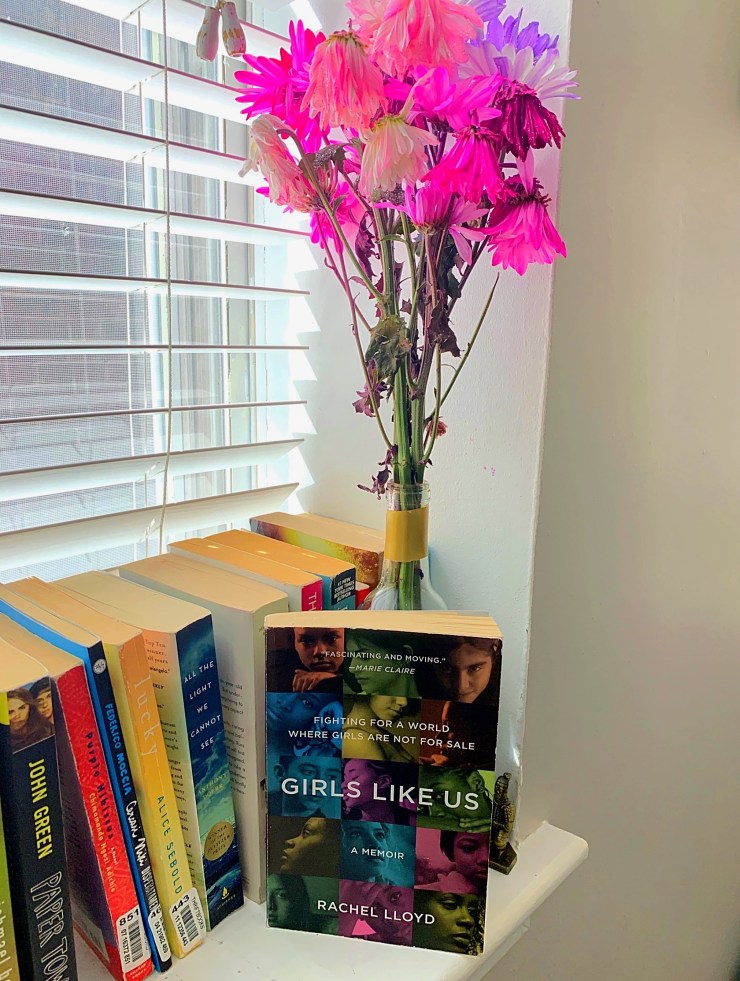
Girls like us by rachel lloyd

This book was moving, heartbreaking, empowering, enraging, truthful…a great book. The narration of how young girls are exploited at a young age and the harsh treatment received by society brought to light an undeniable truth. The realities that these real young girls are forced to live through showed me a cruel side of this world.

Reading this book, I also became aware of my own implicit bias about sexually exploited and domestically abused girls and women. I have been an advocate against gender-based violence since a young age reading accounts of real women in books such as “Burned Alive” (by Souad), learning more about the topic by being on the Commission on the Status of Women in Model UN and classes taken in undergrad. Nonetheless, even educated people can carry implicit bias and this book served to challenge me to bring forth and dismantle some subconscious bias.

Reading this book reignited my commitment to pursue advocating for women safety and rights. I am still not sure how that is going to happen but I do have a desire to include in my career the pursuit of providing safety and health to marginalized girls in my neighborhood and around the world.

The accounts in this book (and other stories) of how people, the justice system, cops can be so cruel and disregarding to victims is something that we ought to change. It is imperative that we work to not persecute but to protect all victims, especially women, especially women of color.


If you would like to learn more about the author’s story and donate to help her organization Girls Educational & Mentoring Services (GEMS) more information can be found at https://www.gems-girls.org/

Homage To The Women

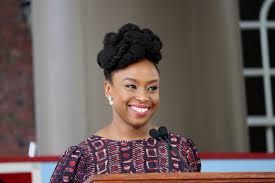
I recently just watched Beyonce’s Homecoming documentary, (I know I’m late) and during it had a flashbulb memory of the first time I ever saw Beyonce (on tv, I wish in person!). I couldn’t have been older than 12, and I was at a family friends house and “single ladies” came on and I was like wow! I practiced that dance so many times alone, she was so fierce to me. So damn fine! Beyonce was the first person to make me think “yes I’m a diva”. Throughout the years she made me realize it was okay to be confident…to be a feminist…and, she introduced me to another great black woman, Chimamanda Ngozi Adichie. 

As an aspiring writer (yes, I am officially sharing this dream of mine) and avid reader being introduced to a world of black female authors made me feel visible. In fact, reading novels written by black women with black characters made me understand that people of color do exist in spaces of literature.Reading novels by women of color, from Mindy Khaling to Lesley Lokko made me understand that no matter what kind, non-fictional or fictional, we exist, we can create, we can share our experiences and people out there can relate to them. 

It is okay for us women, especially black women, to take up space, going beyond what society tries to limit us to, it’s okay to be more. (Even though I’m still waiting for that album), Rihanna’s journey to becoming a “fashion and makeup and much more” business woman that she is now is so important. I was never into makeup growing up, like I literally couldn’t care less about it and it was because I never felt like it was for me. I didn’t like any brands and to be completely honest I always felt like they weren’t for me, for people like me.

I got a Mac foundation gift once and gave it away to another person because I just felt that my beauty was being altered rather than enhanced…but when Fenty came out and I found something that matched my complexion! Let’s just say I’m not opposed to binge watching makeup videos on YouTube. (Thank you to numerous black women YouTubers who taught me how to do my own natural hair and makeup).

Seeing women with different body shapes included in Rihanna’s lingerie line made me feel more comfortable and confident about my body. Representation really matters. 

A black woman like Riri take up space is so important. They are boldly branching out, following their passions and goals, while encouraging the next generations to do the same. Women in my life have continuously showed me exactly that. 

The first teacher to make me feel welcomed in an environment where I was the only one that looked like me as a kid was a woman, the first teacher to make me see that I’m smart was a woman, to make see that I can do anything I put my mind to was a woman, the first person to teach me resilience, strength, the importance of putting yourself first was a woman, the first to make me see to make see that no matter what the situation is I can turn into a success was a woman, to make me fall in love with science and medicine were women. Women continuously have been teaching me how to be a boss, how to manage, to inspire, to be inspired, to be strong, to make things work, to be successful, to live life to the fullest. 

To my fellow women, on this international women’s day and any other day keep being bold, confident and strong, you never know who you are motivating, giving confidence to, or showing them that they matter. 

Book of the month: “Still Me” by Jojo Moyes 

Song to listen: “I am woman” by Helen Reddy 


P.S. I do not own any copyright to the images included. Happy International Women’s day

50 Shades of Black

Moving to the states, exposed me to a different beauty of blackness. By that I mean, I was introduced to a different type of black people: the Black American. Before I moved here, I thought all black people were African, which in itself it’s not a wrong statement. We all are one. However, what I came to learn here, in the States, were the cultural differences between the two. I observed that my Black American friends were different from my African friends. I also found that some of my African friends, who were born here, shared some of same characteristics, behaviors more similar to the Black American than I (born in Africa, “straight from the boat”) understood or related to. It was eye opening.

But sometimes, especially during high school being surrounded by Black Americans and “African-Americans” (and I use that term as in 1st generation americans with african parents) sometimes I felt kind of left out. And not because I felt excluded by others (one thing I’m always grateful for is how welcoming people in my HS class were because I definitely thought I was gonna spend my first lunch in the bathroom like Lindsay Lohan in Mean Girls); but because I did not get the references they made from their culture.

From the food, the music, tv shows, sometimes I had no idea what was being spoken about. Til this day, sometimes I still don’t get some references because I did not grow up here, I’ve never watched an episode of Martin or any Madea movie, when people say “they’re invited to the cookout”, I did not grow up with that barbecue outside experience, I never ate soul food (which I had to google what it meant, the first time I heard it). I have been told I don’t sound right saying some slang, mostly because of the accent, but also because sometimes I would not use it in the right context.

Nonetheless, throughout the years, I’ve come to understand more about the Black American experience, from learning about historical systematic oppression against Black Americans by this country, to the pride of the Divine 9 (fraternities & sororities), to the cha cha slide, the pop culture created by Black entertainers/influencers and the lit energy I find when I’m surrounded by Black Americans (or black people in general). It’s certainly different from experiences I share with people from other cultures.

All to say, I’m glad to be living among and learning about Black Americans. Black Americans and Africans surely have our differences (which I think are equally important to be aware of) but I think that just adds to beauty and complexity of blackness. Also, I made the commitment a couple of months ago to start watching shows that are considered substantial to the Black american experience. I completed this “survey” of black movies a person has watched and among more than 20 movies, I had only watched 2 so… I need to be cultured. I used to watch “My Wife and Kids” in Italy, and I loved seeing a black family on tv (the only one at that time, in addition to “That’s so Raven”, that was shown on Italian television actually); I just finished Living Single and I loved it. Let me know if there’s anything else I should watch (or read)!

Book of the month: Girls Like Us by Rachel Lloyd

Article to read: “Slavery and the Holocaust: How Americans and Germans Cope With Past Evils” by Deborah E. Lipstadt (The New York Times)

The “Anger” of the Black Woman Comes From Her Strength

I can never know what it is like to be a white woman, (because I’m not one) but I can say I can relate to majority of their experiences. However I don’t think white women can relate to the experiences of black women.

They can’t relate to the fact that in addition to seeing whether I’m the only woman in a room, I first and foremost check if I’m the only black person in the room.

They can’t relate to the fact in addition to worrying about whether my opinion as a woman would be taken in consideration in the room, I worry about being perceived as angry for expressing it. It pains me but this is a very too real experience that happens way too often. It pains me that when another white strong woman voices her opinion, it’s seen as “yea you go Kate” but when a black woman does it, it’s “oh what’s wrong now, what is there to complain about now”. 1. A lot. 2.This continuously happens (I have even observed it happen with other minorities as well) that when voicing for change it is perceived as anger. Our opinions are encouraged, but are silenced because of the false perception of anger by others.

They can’t relate to the fact that when in power, in addition to our position being questioned as women, people question whether we are deserving (or undeserving) because of our skin color.

They can’t relate because in addition to tackling the stereotype of women being emotional, we are not allowed to be anything else but strong. “Because black women are strong, Adjoa, we have to be, if we are weak for one second, that is all they will see”. We are expected to do better, be the better person, because they expect us to do the contrary, they expect us to fail, and we cannot give them that satisfaction, we have to show them that we are worthy.

They can’t relate because in addition to hash tagging #metoo, we are screaming #handsupdontshoot. We fight for our black brothers. I’ve seen various accounts of black women protesting, urging to stop the killings of innocent black men, protecting black men. Same with the #metoo movement (or feminism), we lend our support (as we should as women) to a movement that mostly, however, translates into benefits for white cis-women and fails to include us. For example, the history of feminism is a prime example of how black women supported a movement that was supposed to uplift all women but that largely failed to include their needs until recently (third wave feminism- and such is even arguable).

It is unbelievably toxic that society carries such opinions and behaviors against black women. We are expected to be strong, voices for justice and equality. But yet we are never uplifted, protected or cherished. Even so we are and continue to be a graceful, strong-willed, unwavering force of nature. And that’s on that.

Book of the month: still reading Les Miserables; so Book Recommendation: “Small Great Things” by Jodi Piccoult

Article to read: “Every 3 hours a woman is murdered in South Africa” by Ashraf Hendricks Al Jazeera  #AmINext https://www.aljazeera.com/indepth/inpictures/3-hours-woman-murdered-south-africa-190905103533183.html 

Discovering My Roots

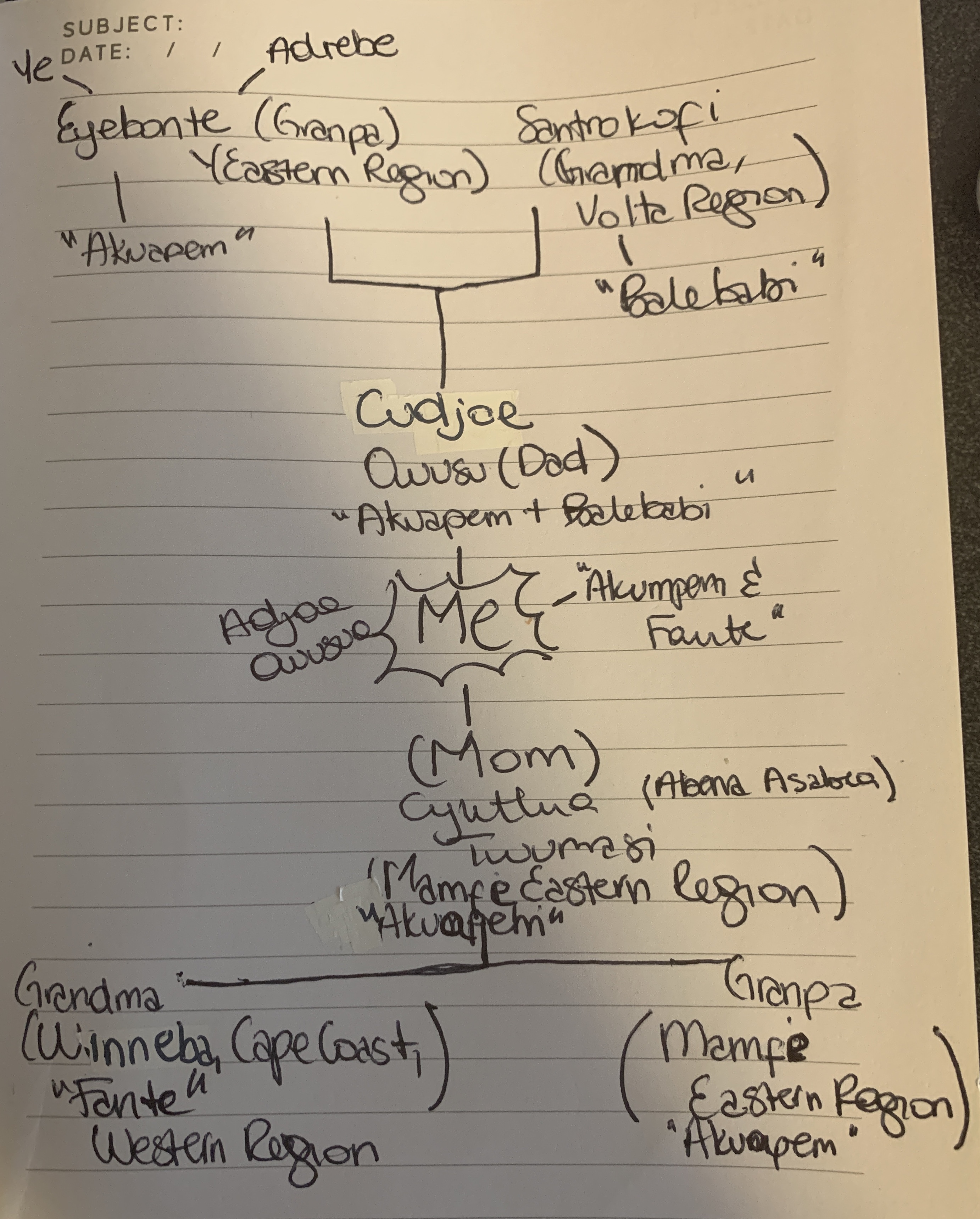
I remember when I first moved to Italy as a young girl and it dawned on me that I was black. It dawned on me that my home country from the rich continent of Africa was seen as a hopeless land filled with nothing but poverty. I was hurt and ashamed. My ignorant self desired to not be from there. I attached to Italy as my home. Which it did become, but I shouldn’t have negated my homeland. As I grew up I began to understand how wrong people’s perceptions of Africa were. I began to appreciate my parents for never letting me forget my native tongue, (Twi), I began to love my non-English name, I began to take pride in my people, found no feeling than that of being surrounded by fellow Africans and dancing to our music, no better satisfaction than eating jollof rice or yams with nktombre stew.

I always bother my parents with questions of where they’re from, what tribe do we belong to, the traditions, meanings of different cloths and why we wear them. I’ve always been an avid reader but in Italy they didn’t print (or maybe I couldn’t find) books with black or African authors. When I was 16 and discovered authors like Lesley Lokko and Chimamanda Ngozi Adiche who opened the door for me to African literature and authors that have led me discover more about the history of Africa (I always don’t understand why this and history of other “developing countries” are not taught in schools like I’m tired of hearing about French Revolution for the 10th time as a senior in college-but that’s another story) and myself as an African woman.

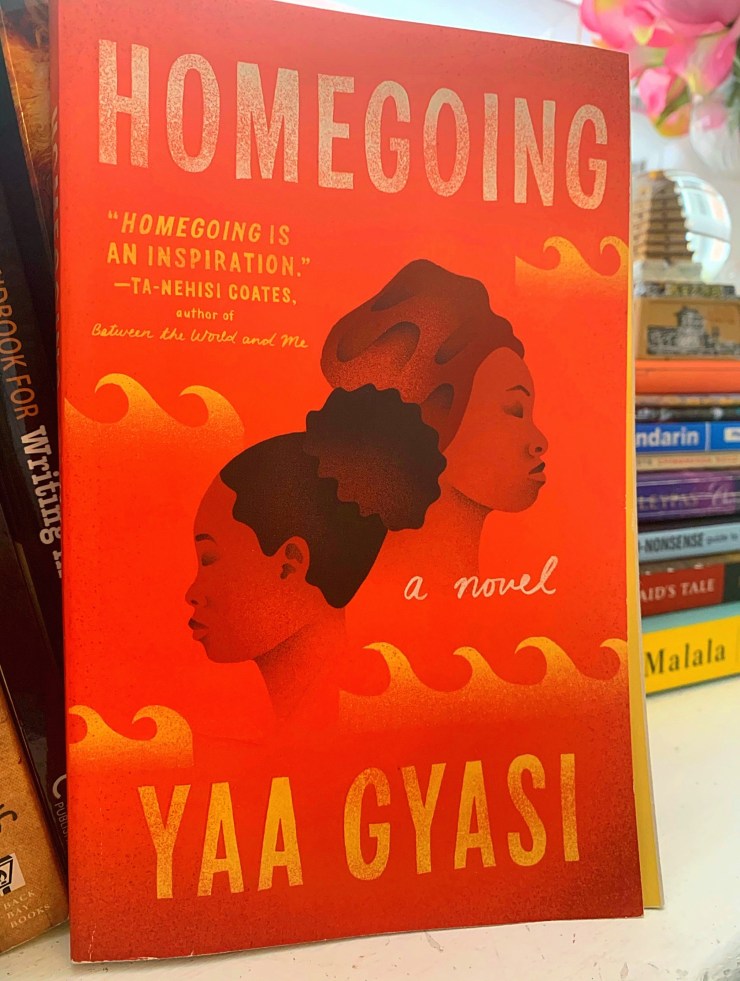
I’ve been reading this book “Homegoing” by Yaa Gyasi (I recommend you all to read) that explores the lineage of two half sisters (one who remained in Ghana while the other captured as a slave to America). The description of the different tribes and the importance the characters place on their background challenged me to find more about myself. *checkout my tribe lineage below*

As I move away on my own, away from my first direct contact with my homeland, my parents, I really fear to loose my connection and touch with my African culture. I can’t read twi, only speak it. There aren’t many shows in that language or i can’t just go to any store and buy shitor or the ingredients to make it. The things that connect me to my homeland are harder to come by.

But I’ve made a vow to never loose touch with that, because as I grow up I’ve come to realize how important my culture is to me and how much it affects who am I.

*Note spellings of locations interpreted to the best of my abilities*

The White Victim.

Please note: this post is reflective of mine and the experiences of other people of color in our current environment. Not meant to generalize everyone but it’s a very real issue that we are faced with constantly.

I had to learn to advocate for myself from a young age. It’s due to my circumstances growing up and learning that I didn’t have allies everywhere I went. That as a young black woman, I would be put into situations where I would have to be brave and vocal, otherwise I would not be listened to or respected.

I have come to understand that not everyone has been raised like that or understands why black women take actions for ourselves, rather than wait around to be rescued. Because even when we need someone by our side, that is not granted to us, at least not in the same way it is granted to our white companions.

I realized to the extent of how white privilege is real and can affect my reputation even with people that I have known for a while. In the face of issues, we are never given the benefit of the doubt. We are in the wrong because we responded, but the person is never wrong for initiating the situation.

In the face of disagreements, which are natural to occur between people, when a black person stands up for themselves and is vocal, they are seen as threatening, no matter what. We are expected to listen and abide, but never respond because our voices are too loud and too intimidating. We are expected to listen and abide but never have an opinion of our own because it’s just not true, our feelings cannot be the truth because the other person feels differently and theirs is valid. We are expected to listen and abide, but never show any emotion because we are supposed to know it’s going to be seen as nothing but anger, and you don’t want to be the angry black girl.

But damn I am angry. I’m angry that in every situation where we get provoked, challenged by a white person and decide to voice our opinion it’s seen as threatening, “too much” and we are the ones who are, at the end in a way be, reprimanded. We are the ones who have to be removed, who have to take the first step to fix the situation, we are the ones asked to apologize. I’m angry that I see multiple people of color around me going through the same thing. I’m angry this is the kind of thing I will have to deal with my whole life. I’m angry that white people are quick to call the police or what can be seen as a higher figure when things don’t go their away and they presume our rights and freedom as an attack to their space.

I’m not saying that we are always right, that’s not the case. However, I do want to encourage white counterparts, in the face of disagreements and complaints, to listen and value the other party in the same way as they do for white people; and that before moving forward to deeply consider if you are fair in your solution so that the other doesn’t find themselves being the only one making amends. I would also say that before going ahead and involving other people (or calling the cops and becoming “Permit Patty” kind of person) to think if you have tried talking to other people, and whether the actions of the other person are truly a threat to your space.  The question of whether your “fear or discomfort” is based on your bias.

Girls Like Me

Girls like me grow up not seeing girls like them in lead roles in tv

Girls like me grow up thinking their skin color isn’t beautiful because society falsely tells them so

Girls like me are told that straight hair is beautiful and professional not their curly, nappy hair

Girls like me constantly get their passion misconstrued as anger

Girls like me have to work twice as hard to prove that they are worth what other girls are given for free

Girls like me have to constantly prove that they belong somewhere because others think they are there to make the “diversity mark”

Girls like me are always photographed during school events because they show diversity

Girls like me are most times the “only ones like look them” in a room

Girls like me are told they are too intimidating for boys

Girls like me are told if they are too strong or ambitious they will never find a man

Girls like me are taught to be independent

Girls like me have to translate the language for their parents

Girls like me are first generations whose dreams don’t just belong to them

Girls like me have parents who have sacrificed too much for them to think that giving up is ever an option

Girls like me fear the current political climate because of their undocumented family members

Girls like me… You’re not alone…you’re strong and beautiful enough